Place-Based Identity
Meyor villages are described by the district as lying on both sides of the Lohit River in the upper Anjaw valley.
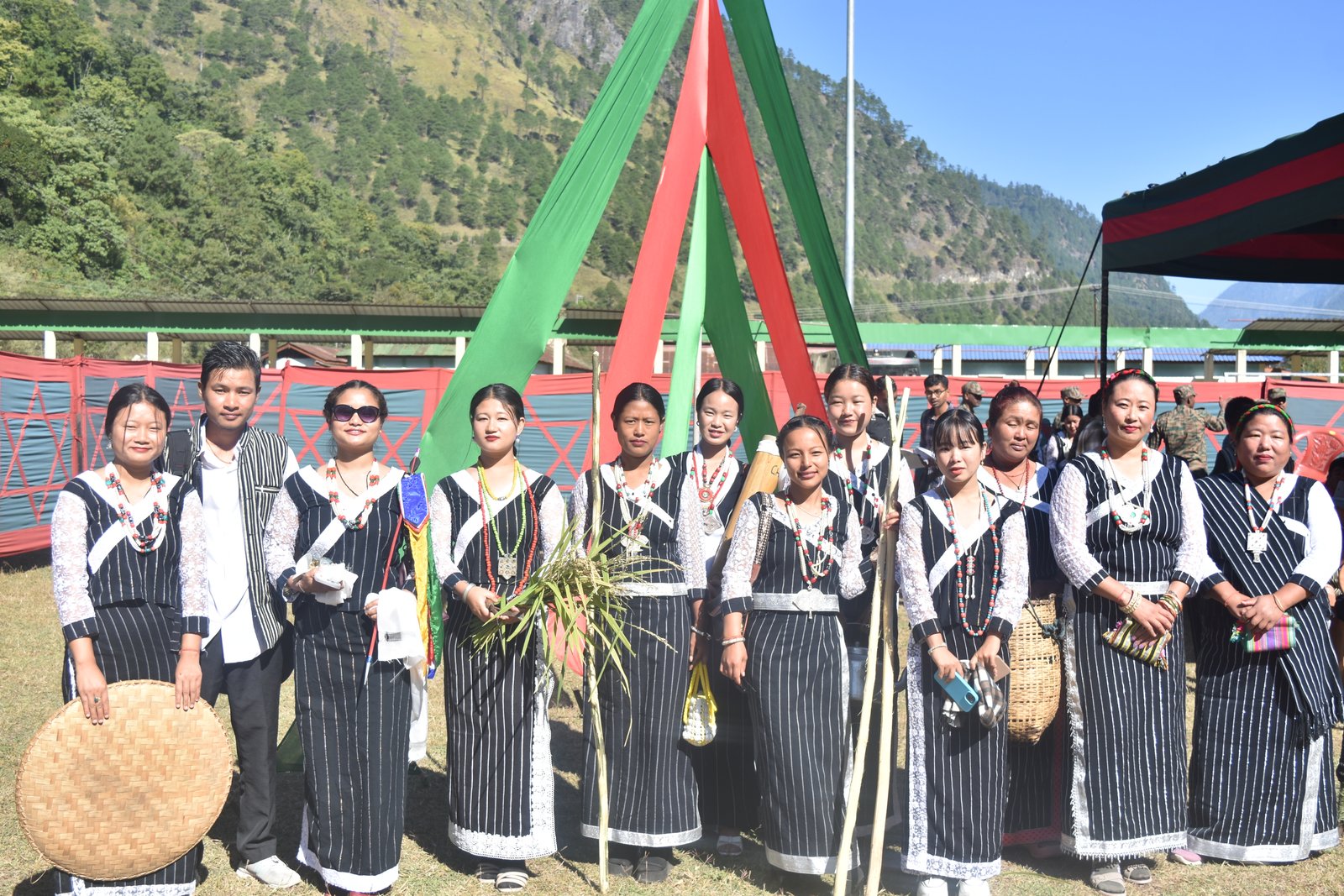
The district account places the Meyors in the Kibithu and Walong circles, describes them as a small population and notes both animist traditions and adopted Mahayana Buddhist practice. That identity belongs at the centre of the story, not as a footnote beneath scenery.
Village life, language, family, oral history and local memory are part of the valley's identity.
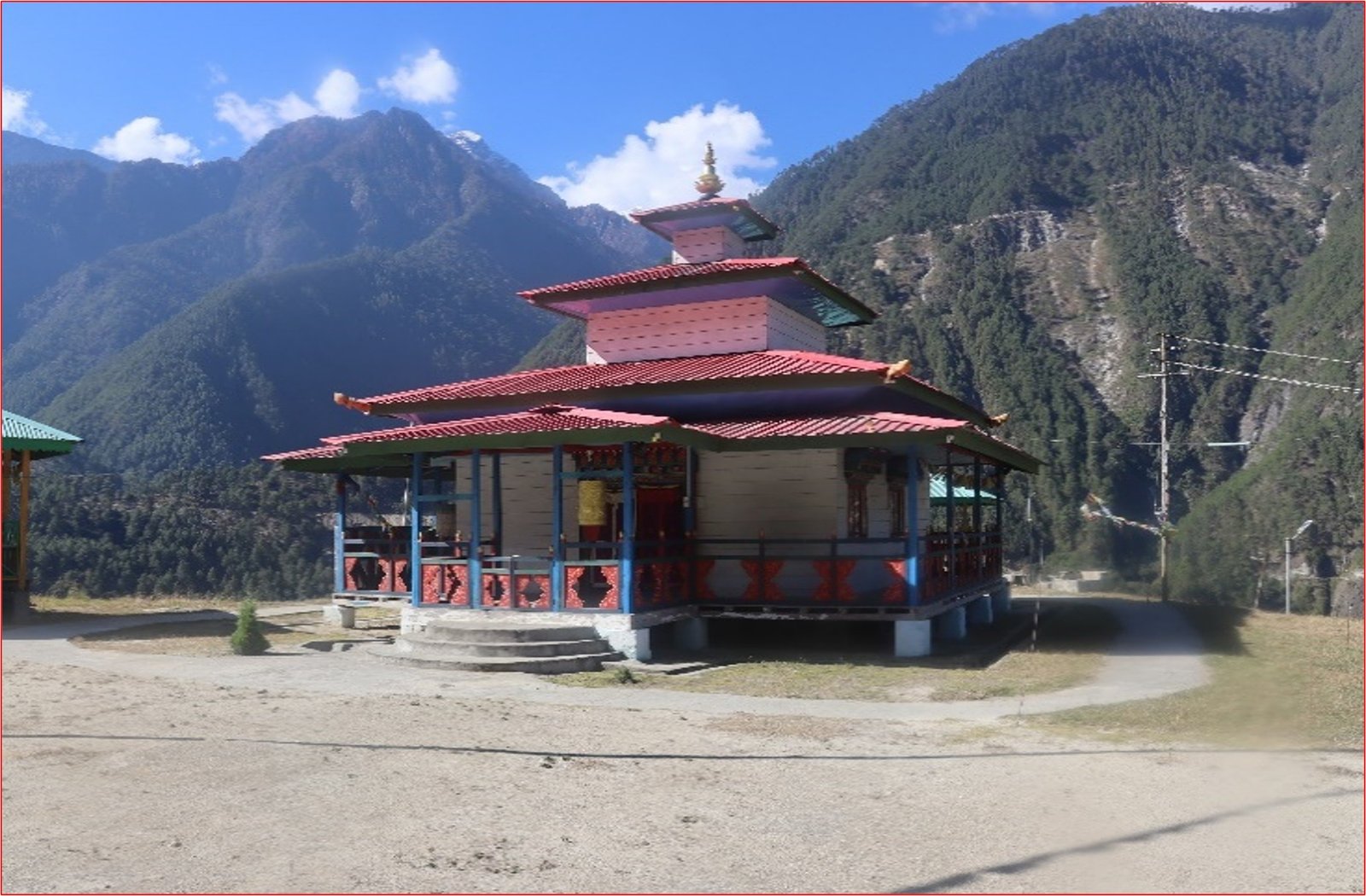
Kaho's gompa and other local gompas belong to community practice before they belong to any traveller's photograph.
Cultivation, harvest festivals, rain, cold and road conditions shape time more than itineraries do.
Homes, bridges, military areas, people and religious spaces should be approached with consent and restraint.
Academic work describes the Meyors as one of the least studied frontier communities, found in the Walong and Kibithu circles. Local identity is also discussed through the name Zakhring, but recent scholarship stresses that many community members identify themselves as Meyor.
Meyor villages are described by the district as lying on both sides of the Lohit River in the upper Anjaw valley.
The district account records animist beliefs as well as Mahayana Buddhist practice, with local gompas testifying to that layered religious life.
Lhachutt is named as a prominent Meyor festival; Sungkhu marks new grain harvest offerings, while Tso Tangpo is observed as a spring festival.
Cultivation remains central in official descriptions, while government employment and business have become part of newer livelihood patterns.
Research on the Meyors notes tension between written records and community testimony. The discussion around Meyor and Zakhring identity is not just a naming issue; it affects how outsiders understand land, heritage, war memory and belonging.
That matters for this site because the frontier is easy to over-explain from outside. A stronger account leaves space for local oral traditions, lived memory and the fact that people in the valley do not experience 1962, border policy and development as separate subjects.